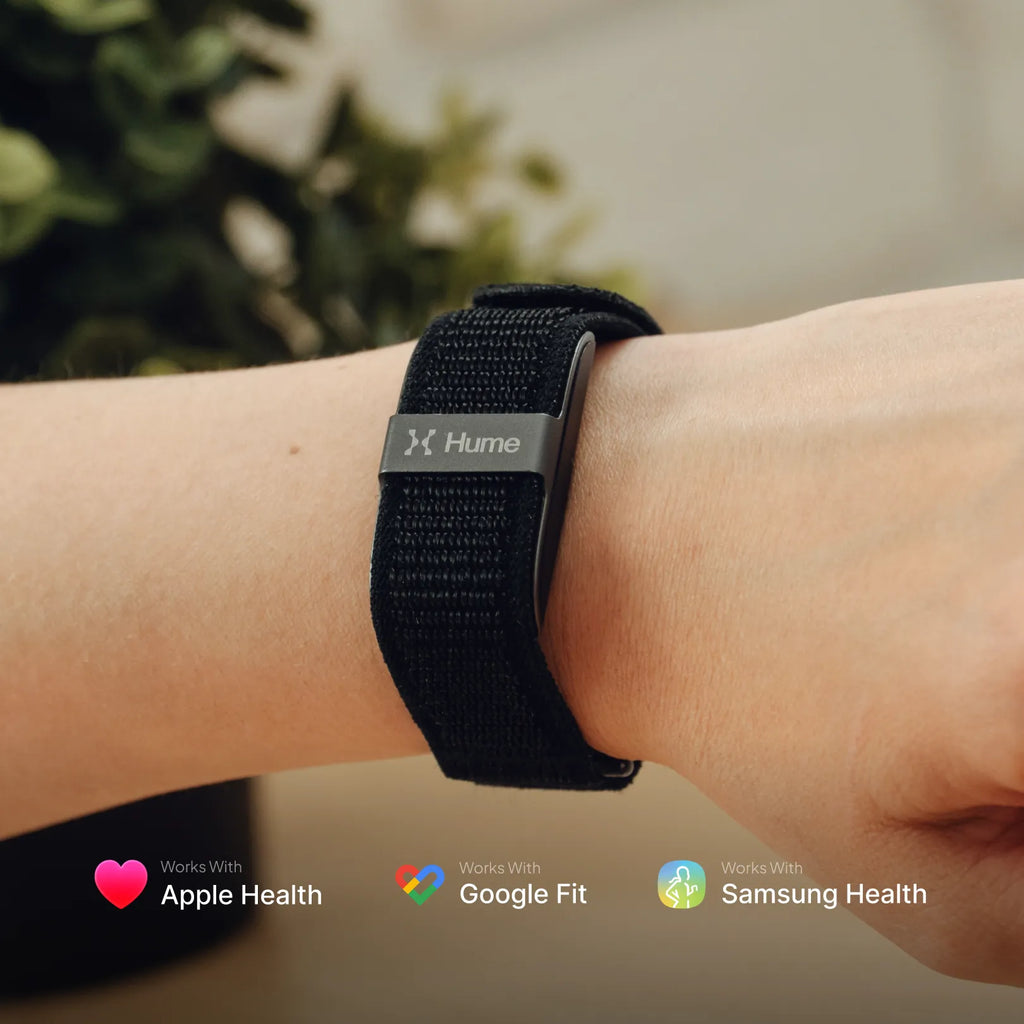
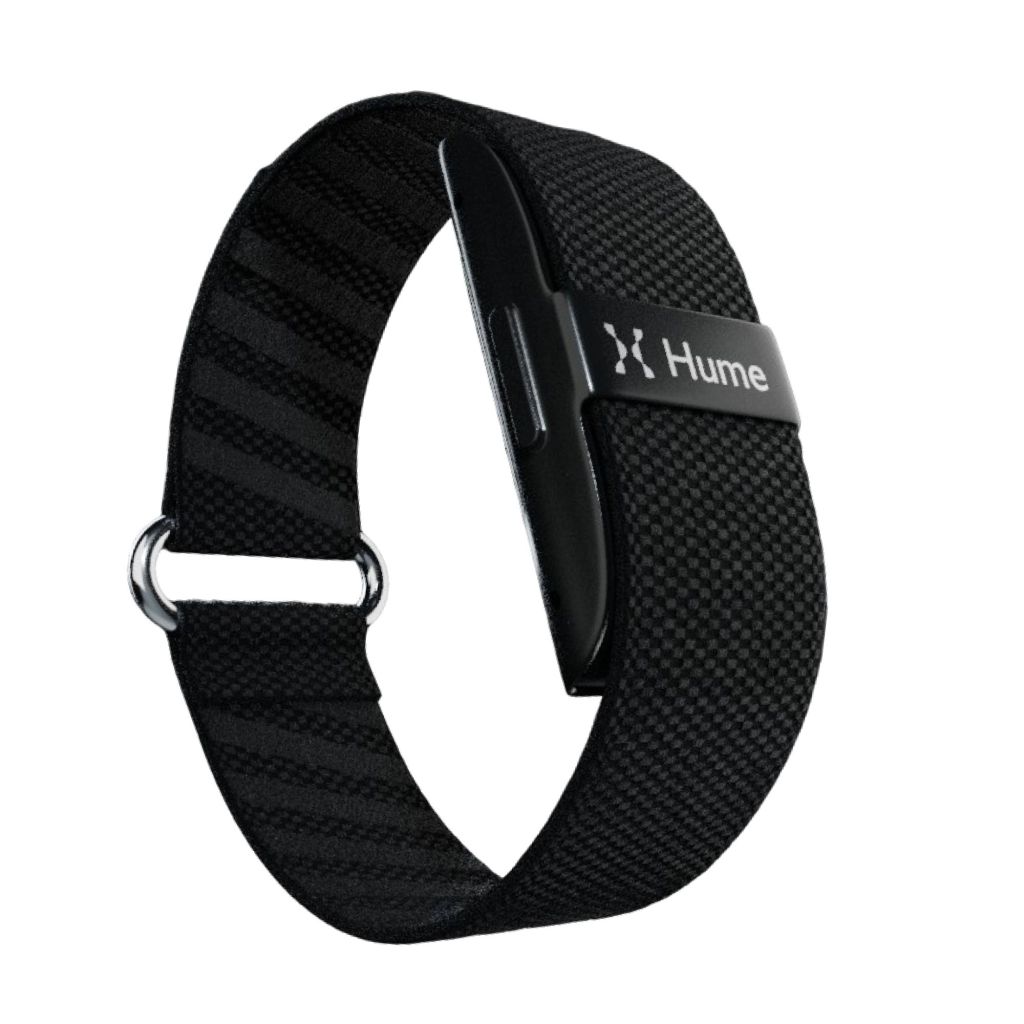
The Hume Band, you’ve seen it everywhere on social media. The amount of money this company has had to shell out for these many ads and lies has to be 50% of their total revenue, if not more. From the hired actors to the paid reviews, it truly reached epic proportions. And look, I get it. They were challenging the greatest success story in wearable fitness since the Garmin first came out, the Whoop Band. It would take a massive push to challenge them, and they threw everything they had into the ring to do it. So you can’t blame them for fighting, even if it meant rebranding a generic $30 product, sticking the word “Hume” on it, and putting a $300 price tag on it..
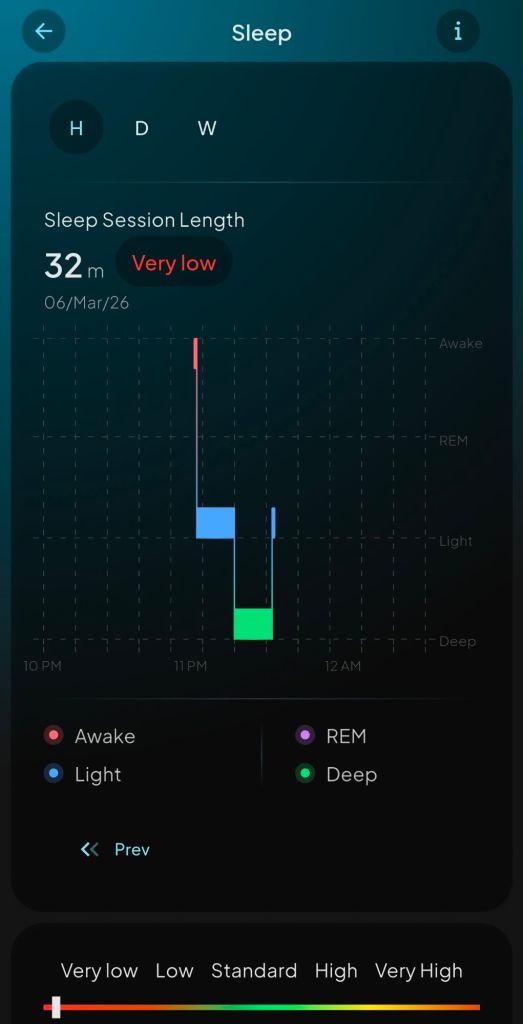
However, none of that matters if your tech and app can’t do what is promised. And herein lies the death of the product. The inconsistent and error-filled data collected just isn’t forgivable, especially not for a product whose claim to fame is to somehow guess the amount of years you are adding to your life or the amount of years you are subtracting. Even their claim that they can tell you when you have a disease or chronic illness, and yet I have Chiari Malformation, and not one single time did it flag that or tell me I had any concerns in my health..
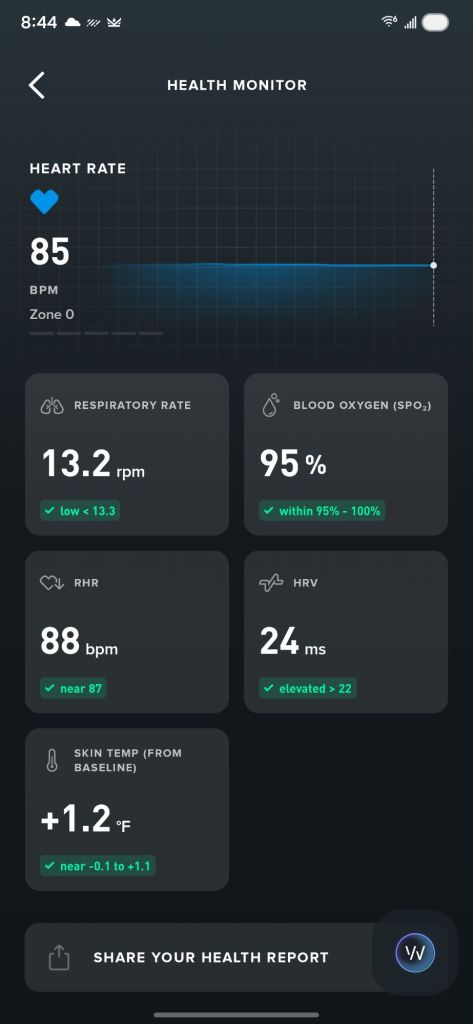
On the flip side of things, my Whoop band felt like a supercomputer when I used it. Its ability to break down aspects of my life into things that were real and tangible for it to keep up with, it did, and did it accurately and faithfully. I could count on active and real-time data at any moment. But with the Hume band, it would only periodically check things throughout the day. There were times my heart rate would be at 100 bpm after a stair climb that I took 15 minutes ago, and yet it would remain with that data. Whereas the Whoop would keep track the whole time after the stairs and every second after..
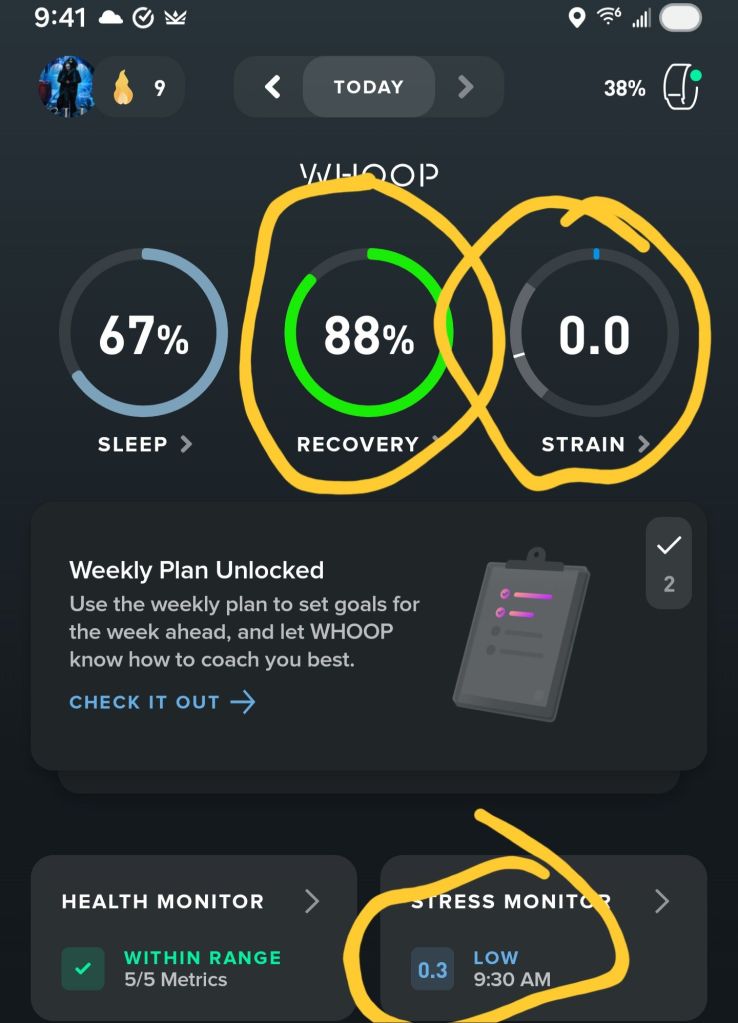
Things that matter, like stress, recovery, and sleep data, would be presented upfront clearly, and the AI for Whoop would give insights and helpful tips that actually made sense and felt more fluid and human-like. In contrast, the Hume band felt robotic and generic, and above all, false and unreliable. It had no real personalized suggestions or correct answers. If I had stress, it would just tell you to watch your stress and relax, basically. They had no real tools in the app to accomplish this, unlike the Whoop. The Whoop even has features to help wake your body up more..
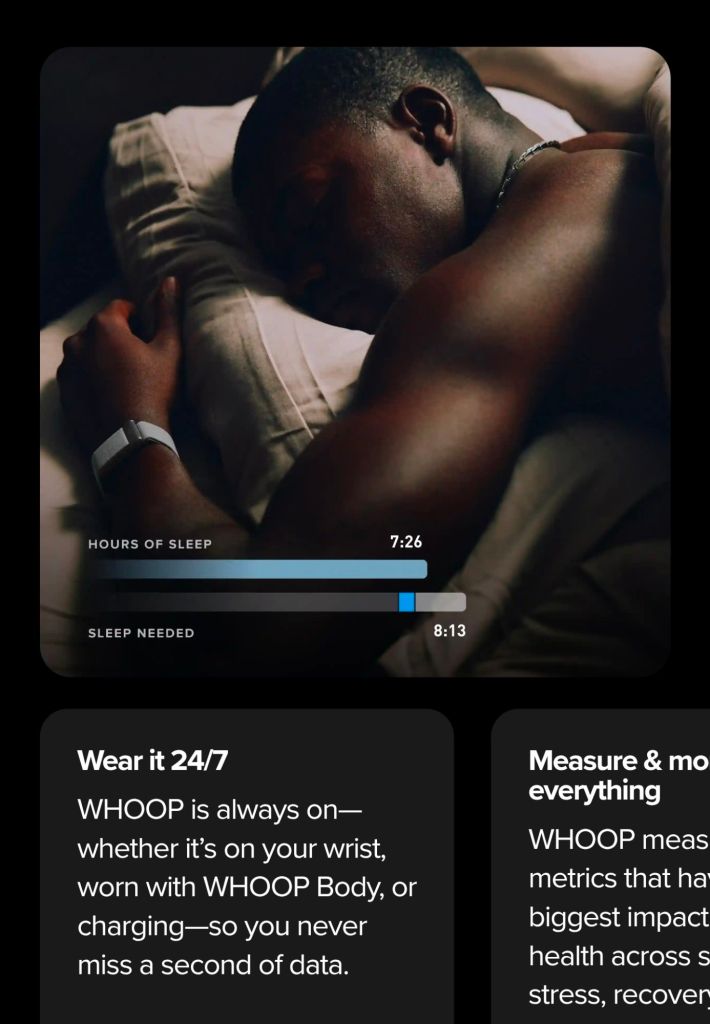
Look, I get the excitement about having a band that doesn’t need a paid subscription. That works as long as you’re providing tangible and accurate solutions on par with your competitors. But you can’t brag about being free with things that don’t work. Why? Because all you do is prove why the paid subscription model works and why you would pay for it. This is exactly what happened to me. I was so mad about having to pay for the Whoop app yearly that the Hume band seemed like a bargain. But by the time I dealt with the Hume band’s failures and inaccuracy, I actually felt privileged to pay for and have the subscription for the Whoop. The Hume band literally made me feel better about and more excited about my Whoop band because I could really see the difference and what free looks like versus a company that is actually giving you things for the money you are spending. So my suggestion is that you really look into all the reddit reports about how horrible the Hume band is before you buy into this hype. There is a reason why people hate it.
 Tech-N-Things